
Blind box plush are easy to fake because the whole appeal is a sealed box. You buy without seeing what's inside, so a buyer has less to go on than with a normal toy. Fakers know that. A copy only has to look close enough in a photo on a listing page, and it can sell fast.
Popularity feeds it too. When a line takes off, like the cupcake and Creamsicle-style food plush or the little vinyl plush pendants people clip to bags, copies show up fast. Series with a rare or ultra-rare chase figure are the biggest targets, because some buyers will pay extra for a shot at the hard-to-find one. The Pals & Co. Yummables Bento Besties blind boxes are a good example of that setup: twelve designs to collect, plus rare and ultra-rare chase figures.
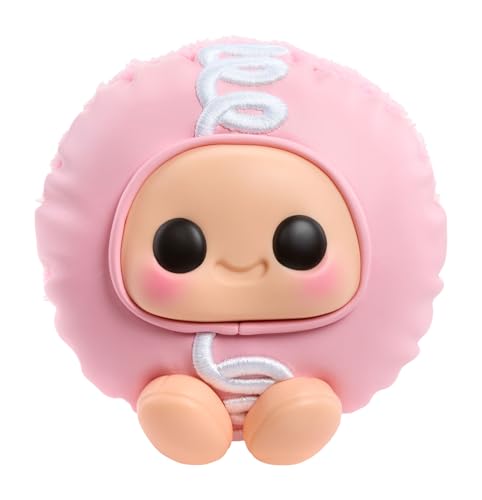
Hyojo Hostess Cupcake Blind Box Plush, Chocolate Strawberry Orange
A mystery blind box plush with a cupcake theme, where you find out which of three flavors you get inside.
Product information
Our review: 4.0 out of 5
Product links
The marketplace layer makes it worse. Fakes mostly turn up on open marketplaces, social media sellers, and listings that use stock photos copied from the real brand. A few things should make you slow down before you pay:
- A price far below what other sellers charge for the same series
- A listing with no clear photos of the actual box, only the official images
- A seller who offers "guaranteed" chase figures, since the point of a blind box is that nobody knows what's inside
- Vague wording about which series or maker the plush comes from
There's a practical reason to care beyond looks. A copy may skip the testing and age labelling real toys go through, so you can't count on it meeting the toy rules where you live. Those rules vary by region, so check your local consumer product safety agency if you're unsure. If you're buying for a child, that's one more reason to stick with sellers who clearly source from the maker or an authorised retailer. The next sections show you what to check once the box is in your hands.
Check the Packaging and Seals First
A real blind box should look like a finished retail product, not a lunch box someone taped shut. Start with the outside before you think about what's inside. Hold it under good light and look at the printing. Logos should be sharp, text should be straight, and the colors shouldn't look washed out or oddly bright next to photos from the maker's own page.
Next, look at the seals. Most real boxes and bags close with factory-applied seals or clean glue lines, and the edges look even. Warning signs include sticky residue, glue that squeezed out at the corners, a flap that lifts with almost no effort, or a box that looks like it was opened and closed again. A resealed box lets a seller pull out the good figure and put a dud back in. If you're buying a foil blind bag, like the one the ABYstyle Naruto Shippuden Miniso Eaki line comes in, check that the crimped edges are even and the bag isn't torn or re-heated at the top.
Then compare the packaging details to what the maker shows for that series. Here's a quick checklist:
- Does the series name and character lineup on the box match the maker's official page?
- Is the licensor or brand logo placed where the real ones put it? For a licensed line like 52TOYS Disney Stitch Mood Series, look for proper licensing marks, not just a Stitch picture.
- Are spelling and grammar right? Typos in the small print are a common giveaway.
- Is there a barcode, a maker or distributor name, and a legible age label?
- Does the box feel flimsy, bent, or printed on thin card compared with other boxes in the same series?
Don't lean on one thing alone. A barcode or QR code on the box doesn't prove it's real, since copies can print those too. Scan it if you like, but treat it as one clue. Also skip the idea that you can feel or weigh a box to find the chase figure. It doesn't work reliably, and sellers who push that trick are a red flag by themselves.
Finally, ask the seller for photos of the actual box you'd receive, from every side, before you pay. If they only send official images, or they get vague when you ask, move on. When a series ships with extras, like the sticker and bio card in a WabiSabi Puppy Party pack, check the listing mentions them, and look at whether they're included when your box arrives.
Look Closely at Stitching, Tags, and Fabric
Once the box or bag is open, the plush itself tells you a lot. Start with the face. Eyes, mouth, and any printed or embroidered details should sit where they do on the maker's official photos for that series. Copies often come out off-model, with eyes set too close or too far apart, a lopsided smile, or colors that don't match. Keep the official product page open on your phone and hold the plush next to it.

Little Live Pets My Baby Panda ChuChu Interactive Plush
A talking, kicking panda plush that reacts to care, feeding and play, with a potty and bamboo accessory included.
Product information
Our review: 4.0 out of 5
Product links
Next, go over the stitching. Run your eyes along every seam, especially around the head, ears, and the loop for the keychain or strap. Look for these:
- Uneven or loose stitches, gaps in a seam, or stuffing poking through
- Loose threads and fraying at the hanging loop
- Embroidered details that look sloppy, with thread that puckers the fabric
- Printed details that smudge, peel, or sit crooked
One flaw on its own doesn't prove a fake, since real factory pieces can have a stray thread too. A pile of problems is what should worry you. Because a keychain or phone charm gets tugged and clipped all day, a weak loop or metal clasp that feels loose is a good reason to doubt it.
Then check for tags and markings. Many real plush and hybrid plush-vinyl pieces carry a sewn-in tag, a printed mark, or a stamp somewhere on the body. What shows up depends on the maker and the series, so check a trusted retailer's listing rather than guessing. Read the tag if there is one. Blurry printing, a missing brand or licensor name, or a tag that looks glued on and not sewn in are all red flags. On a licensed line, like a Disney character piece, a plush with no licensing info anywhere is worth a second look. A CE mark or similar symbol alone doesn't prove a toy is genuine or tested.
Finally, trust your hands. Fabric on a real plush usually feels even and soft, and the fur or fleece lies smoothly. Fakes often feel scratchy, thin, or shiny in an odd way, and the filling can be lumpy or flat. Smell it too. A strong chemical odor out of the bag is a good reason to stop handling it and air it out away from kids and pets, and to think hard before keeping it. For vinyl-plush pieces, the vinyl should feel smooth with clean paint and no rough mold lines. If you've bought from the same series before, comparing the two side by side is the fastest check there is.
What to Do If You Already Bought a Fake
A fake plush in your hands is annoying, but you still have options, and the first move is to stop and document everything before you toss any packaging. Take clear photos of the box or bag from every side, the seals, the tag, the stitching problems, and the plush next to the maker's official product photo. Keep the outer shipping box, the packing slip, and screenshots of the listing, the seller's name, and your chat messages. Those are your proof.

WabiSabi Puppy Party Blind Box Collectible Plush
A mystery puppy keychain in every box, with one secret rare pup hiding somewhere in the crew of seven.
Product information
Our review: 4.0 out of 5
Product links
Next, look at where you bought it, because that decides who you ask for help. If you paid through a marketplace, open a return or "item not as described" claim there and say plainly that you believe the item is counterfeit, then attach your photos. If you paid with a card or a payment service, find out how its dispute process works and what the deadline is, since time limits vary by company and region. Check the return window on the listing and act inside it, even if you're still unsure. You can always cancel a claim, but you can't reopen a closed one.
When you write to the seller, keep it short and factual. Say what you ordered, what arrived, and the specific mismatches, like "the face doesn't match the official photo" or "the box seal was already open." Ask for a refund or replacement. Skip the angry tone, because a clear message with photos moves faster. Report the listing to the platform too, so other buyers don't get caught the same way. If the seller claimed it was official, that detail is worth including.
If the claim fails or you decide to keep the plush, treat it as a display piece, not a toy. Don't resell it as genuine, even by accident. If you ever do pass it on, say it's unofficial.
For the next purchase, buy from the maker's own store or an authorised retailer. If you want a series you were burned on, like a chase-figure line, wait for a trusted source and not a cheap listing that promises a rare pull.


